


Hauser
About the Hauser Hydroelectric Facility
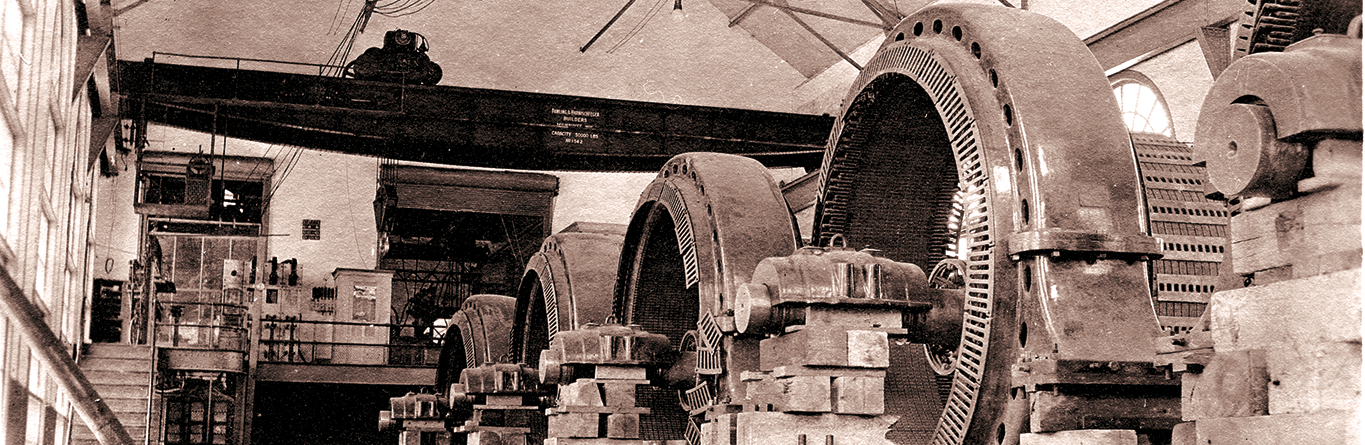
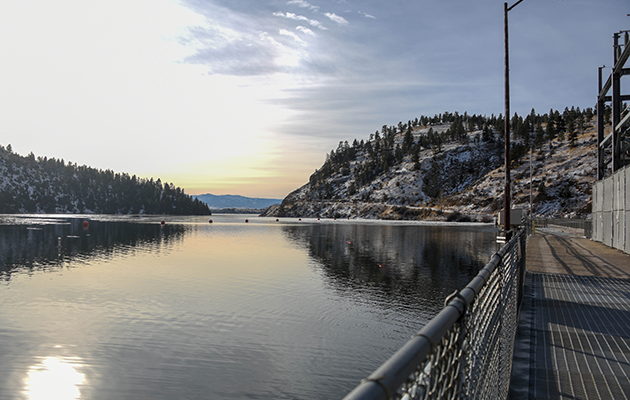
Hauser Dam is a six-unit hydroelectric plant on the Missouri River, about 14 miles northeast of Helena, Montana. Work began on the Hauser dam in 1906 and was completed in 1907. The original dam produced electricity for 15 months before its failure in 1908.
The current dam was finished in 1911 and has a generating capacity of 19 megawatts.
Historic Namesake
Historic Namesake
The Hauser Dam is named after the former Governor of the Montana Territory and entrepreneur Samuel T. Hauser. He was involved in a variety of business ventures, all ranging from ranching and mining to railroads and banks.
Hauser came to Montana via a Missouri River steamboat and spent his final years "harnessing the river that carried him west," according to historians. Not only was he a key promoter and minor investor in the first Canyon Ferry Dam, but he also led the construction of his namesake dam and had plans for another project downstream near Wolf reek.
Hauser died in 1914 and is buried at a cemetery in Helena.
Disaster Strikes Hauser Dam
Disaster Strikes Hauser Dam
F. A. Ross, a former Helena Resident and manager of mining operations for copper king Marcus Daly, praised the original dam, saying it was "one of the greatest engineering feats ever inaugurated," after touring the dam in 1908.
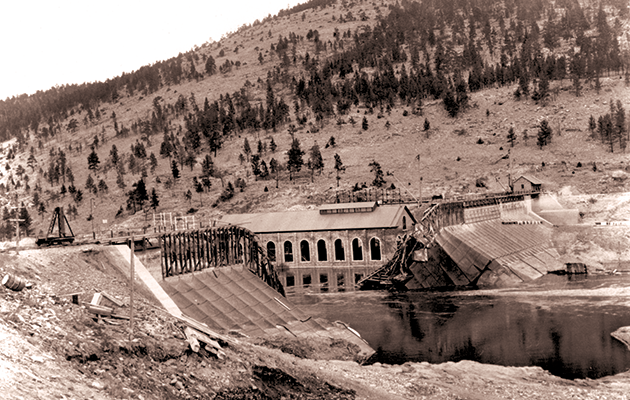
April 14th, 1908, just one month after the praise from Ross, a 300-foot section of the dam collapsed, sending a sixty to seventy-foot wave of water rushing down the Missouri River.
Further investigation into the dam's collapse found that the steel pilings used to form the dam were far too short to serve as a proper anchor for the dam. When the new dam was built, it was anchored into bedrock instead of gravel as the original had been in order to prevent another disaster
"Golden Kilowatts: Water Power and the Early Growth of Montana"
The book "Golden Kilowatts: Water Power and the Early Growth of Montana" by Butch Larcombe tells the history of Montana's dams.
Historic American Engineering Record (HAER)
The Historic American Engineering Record (HAER) was established in 1969 as one of the Heritage Documentation Programs administered by the National Park Service (NPS) to record the engineering and industrial heritage of the United States. HAER was created through agreements between the NPS, the Library of Congress, and several engineering societies.
HAER documents a variety of engineering and industrial sites, structures and objects. Transportation infrastructure, bridges, mines, industrial buildings/machinery and public utilities are all types of engineering and industrial heritage that have been recorded under this program. The goal of the HAER program is to record the engineering heritage that is subject to being lost due to a variety of factors. These may include technological advancements creating obsolescence, changing regulations surrounding health/environmental/public safety, and development issues. The NPS, through their Heritage Documentation Program, issues the guidelines for HAER documentation and its dissemination.
As part of the FERC licenses for the eleven hydroelectric facilities that NorthWestern Energy own and operate, HAER documentation is conducted when a project or upgrade is determined to have an adverse effect on a facility’s engineering heritage. After the HAER documentation is completed for a particular project or upgrade, NorthWestern Energy submits the documentation to the NPS for review and acceptance. Once accepted, the HAER program coordinates with the Library of Congress to store the document and disseminate it to the public on their website.
Each link below connects to the applicable HAER document available on the Library of Congress website. Visit Historic American Engineering Record (HAER) Documentation to learn more about the HAER documentation conducted at other NorthWestern Energy hydroelectric facilities.